Fall’s first hard frost hit pretty much on schedule last week. Our garden manager Lisa described her view of our lovely little plot the day after nighttime temps had dipped into the 20s as “post-apocalyptic.” We knew that day of death was coming, and had prepared for it—somewhat. But we still can’t help feeling sad.
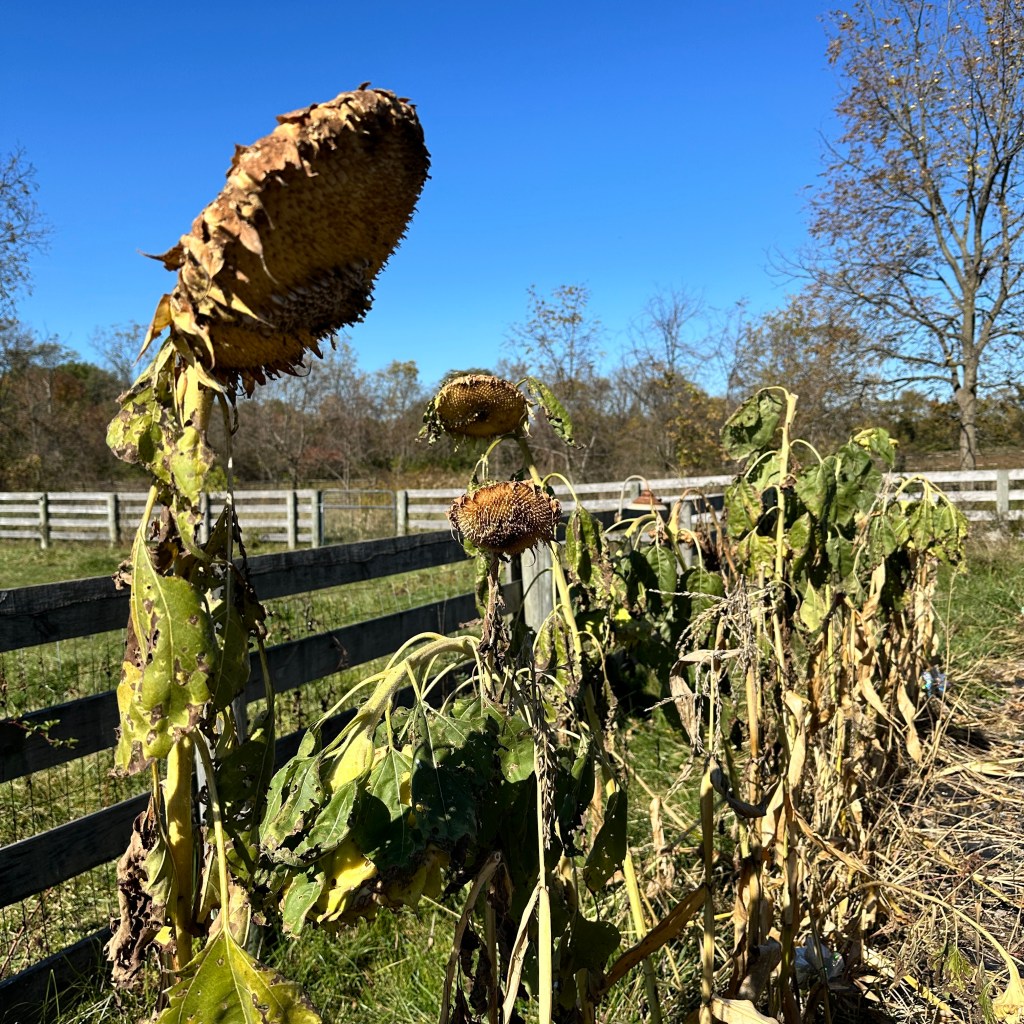
The end of the growing season, in climates like Ohio’s, inevitably brings a bit of grief. All those tender greens and herbs we’d lovingly hand-watered daily through weeks of wilting temperatures and drought, the forests of hidden squash that doubled in size overnight, the millions of ungainly late-season heirloom and tiny cherry tomatoes—some of them still green—all wiped out, broken, savaged. Something about it seemed personal.
It was our first season gardening at this scale. Spring plans had been ambitious—in many ways overly so. Now was the time of reckoning, of taking stock, of reflecting on—and trying to learn from—our mistakes.
By the time of the season’s first snowfall—likely within the next few weeks—the garden will be a bleak, largely featureless reminder of a bounty now the stuff of dreams. White carpets of frozen greens. Bean trellises webbed with snow-covered death.
But as sad as we are for the season’s passing, we are buoyed by the promise of next year. Season’s end, after all, does bring some good things—like the end of the battle with weeds and bugs.
By December, we won’t remember much. Several cycles of new and melting snow and ice will render most of last season’s coddled crops unrecognizable, bringing a new grace to the garden that allows us to set our sights on spring.
— SK
 Ranch 61