It’s tough entering a grocery store produce section when you know too much. In some ways I miss the days when I could buy apples from New Zealand and grapes from Chile without a second thought—and inevitably, despite my best intentions, watch at least a few of them rot away weeks later in my refrigerator.
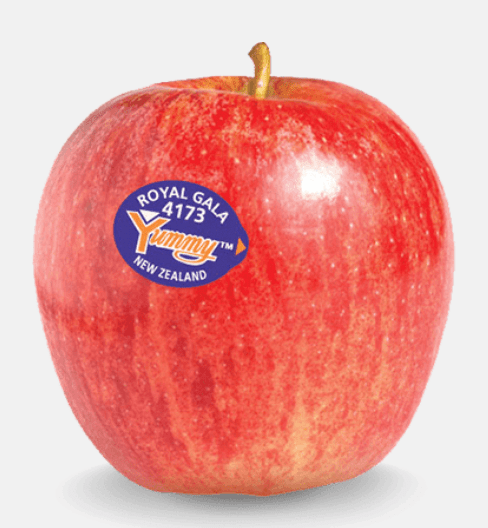
Of course I would’ve seen the problem with this if I’d been paying attention. But ignorance, as they say, is bliss. If I didn’t think about all the fossil fuel burned to transport those apples halfway across the planet just to ultimately rot in my refrigerator, I could carry on if not blissfully, at least ignorantly.
If I didn’t think about the well-being of the farmers and hired hands who grew the produce that ultimately rotted away in my fridge, I could also carry on in ignorance. But when I started actually thinking about the absurd economic and political decisions that made perishables from South America or New Zealand cheaper at my local Kroger than produce from right here in Ohio, I could no longer in good conscience look away.
I knew I’d have to change the way I shopped. If I couldn’t afford to buy local, I’d at least have to start growing local. … And so began the Ranch 61 CSA.
Although the Ranch 61 CSA is just starting out, we know already that we’ll never be able to produce produce in the volume required to take advantage of whatever nefarious combination of politics and economies of scale make it cheaper to buy apples from New Zealand than their locally grown competitors.

Happily, Ranch 61 won’t need to fly fruits and vegetables halfway around the world. Nor will we drop heaps of cash on pesticides to keep the bugs away or on preservatives to blunt the effects of thousands of miles of hard travel.
Sure, growing fruits and vegetables on a small scale and without chemicals means much less profit and much more work. It’s not for everyone, that’s for sure. And it’s definitely hard to do when juggling jobs, family and other commitments.
If you can’t grow local produce, you can at least buy it. Small steps like these alone may not save the world. But they can definitely help assuage your produce-section guilt.
Buy Curious?
During warm months, your local farmers markets sell seasonal local produce grown by your neighbors. You’ll often get higher-quality produce for lower prices than you’d pay at the grocery store. And here in Central Ohio there are programs like SourcePoint and WIC, which issue farmers market vouchers to qualified households, allowing them up to $75 in free produce during the growing season.
If the farmers market isn’t convenient, the next time you visit your local chain supermarket, let the produce manager know you’d like them to stock more locally grown fruits and vegetables. If enough people ask for local produce, even big chains like Kroger or Meijer will make changes. The marketplace follows demand.
If you want to buy local produce, know that your selections may be limited to what’s in season in your area at the time. Buying local might also mean making tough decisions about exotic produce like pineapples or bananas. But it doesn’t necessarily mean spending more.
—SK
 Ranch 61